
Case Stacking vs Stocks: An Honest Comparison
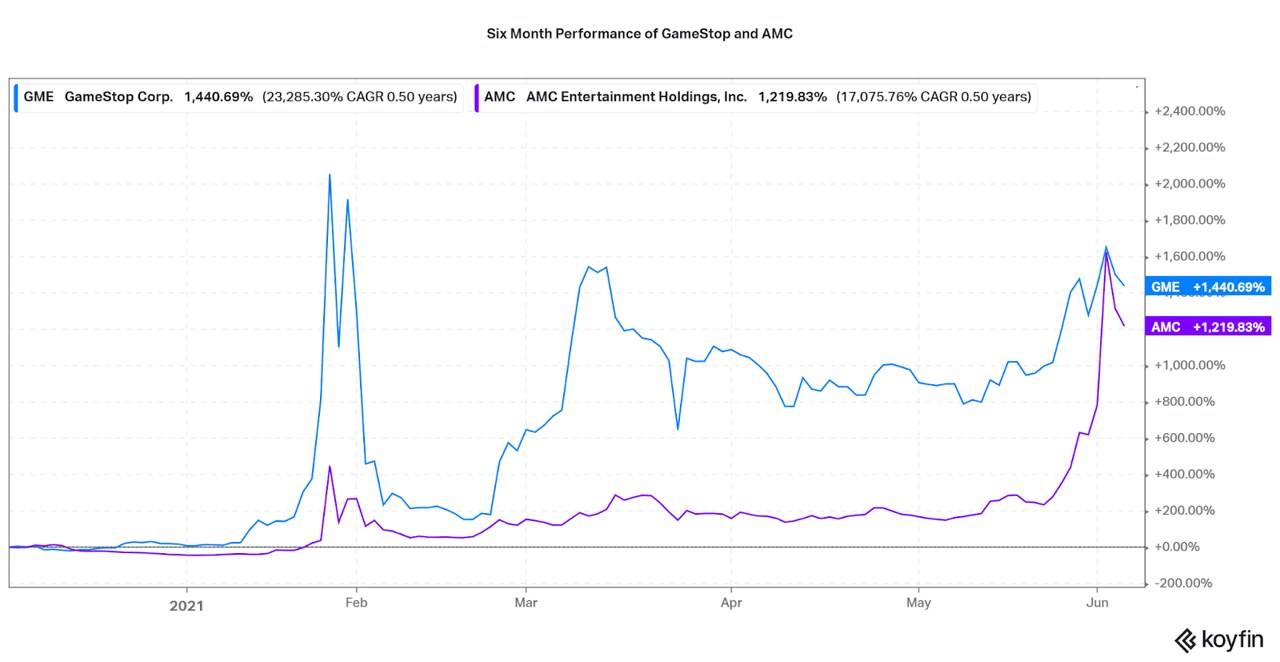
Somewhere on your feed there's a chart of a CS2 case embarrassing the S&P 500, posted by someone who owns the case. The chart might even be accurate. It's still the wrong comparison — because return is one column in a table with seven, and cases lose most of the other six. Here's the whole table.
Start with what the bulls get right
Per third-party trackers, broad baskets of CS2 cases have outperformed major stock indices over some multi-year windows — sometimes dramatically. The mechanism is real, not meme: sealed-case supply structurally shrinks as cases get opened, while demand from unboxing persists as long as the game is popular. That's a genuine scarcity engine, and the skins vs S&P deep dive walks through the data with proper hedging. Nobody serious disputes that the returns happened for people who held the right cases through the right years.
What the chart doesn't show is everything that isn't price.
The full table
| Dimension | Stocks (index funds) | Case stacking |
|---|---|---|
| Historical returns | Long, deep record; modest but relentless | Reportedly higher over some windows; short history, wide error bars |
| Volatility | Meaningful in crashes | Far higher; whole-market repricings from single patch notes |
| What it's a claim on | Earnings of real businesses | Future unboxing demand inside one video game |
| Liquidity | Seconds, at tight spreads, in any size | Good for liquid cases at small size; fees and trade holds in the way |
| Custody | Regulated brokers, insurance schemes | Valve servers and marketplace accounts; phishing is the local predator |
| Regulation | Extensive investor protections | Effectively none; terms of service, not securities law |
| Cash-out | Trivial | A real process with fees and choices — see cash-out paths |
| Taxes | Boring, well-documented | Genuinely yours to figure out; see the unsexy chapter |
The three differences that actually decide it
First: what stands behind the asset. A stock index is a claim on the profits of hundreds of companies, enforced by law, surviving any single company's death. A case is a claim on the continued enthusiasm of people opening containers in one game, published by one company, on servers that company owns. If Valve changed the rules tomorrow — and it has changed adjacent rules many times, from the 2019 key removal to discontinuing sticker capsules in 2026 — there is no regulator to call. Single-publisher risk has no stock-market equivalent; even a delisted stock leaves you a legal claim. This one difference justifies most of the caution in this post.
Second: the volatility is a different species. Stock investors call a 20% index decline a bear market and write think-pieces for a year. Case holders have watched comparable moves happen in weeks, per third-party trackers, occasionally in response to a single update — the October 2025 trade-up update repriced knife-adjacent items within days of a patch note. Volatility that violent isn't just uncomfortable; it changes what sizing is sane and makes drawdown math a survival skill rather than trivia. A stock investor who checks quarterly is prudent; a case holder who checks quarterly can miss an entire regime change.
Third: friction. An index fund costs almost nothing to hold and nothing meaningful to sell. Skin markets charge real tolls: the Steam Community Market takes roughly 13–15% per sale, cash marketplaces typically charge sellers around 2–12% depending on venue, and Steam wallet proceeds can never leave the ecosystem as cash — wallet dollars are store credit wearing a currency symbol. Round-trip friction means a case must appreciate meaningfully before you've beaten zero — a hurdle stocks simply don't set.
Where cases honestly win
Fairness cuts both ways. Cases offer things an index fund can't. The supply mechanic is arguably cleaner than any equity story — no management to disappoint, no earnings to miss; attrition of supply is close to a law of physics within the game's rules. Entry size is unbeatable: you can start with $100 or a few dollars a day, no account minimums, no accreditation, no paperwork beyond a Steam account. Returns have historically shown little relationship to stock-market cycles, which makes a small stack a genuine diversifier — the case for skins as an alternative asset class rests mostly on that. And there's an honesty in enjoying the market you invest in: stackers tend to actually play the game, which makes the research free and the losses less bitter.
The conclusion that annoys both camps
This isn't a versus; it's an allocation question, and the answer is a boring one: satellite, not core. Stocks (or whatever regulated, diversified thing fits your life) remain the portfolio. A case stack is a satellite position — funded with entertainment money, sized so a Valve surprise is an anecdote rather than an event, and held on a multi-year horizon where the supply thesis has historically had time to work.
What's interesting is that the best practices converge. The strategy that built ordinary people's stock wealth — automatic contributions, fixed schedule, no timing, decades of patience — is exactly the strategy that has historically worked for cases: DCA, small and constant, through the drawdowns. The instrument is wilder; the discipline is identical. If you wouldn't day-trade your retirement account, don't day-trade your cases either.