
Cashing Out: From Steam Wallet Fiction to Real Money
A portfolio "worth $4,000 on Steam" is worth $4,000 the way Monopoly hotels are worth $200: within the board, absolutely; at your bank, not at all. Every skin investing plan eventually meets this wall, and the difference between a good exit and a haircut is knowing the real paths out before you need one.
First, the fiction
Steam wallet funds cannot be withdrawn. Not with fees, not slowly, not through support tickets — the ecosystem is closed by design. Sell a case on the Steam Community Market and Valve takes roughly 13–15% in fees, then pays you in credit that can only ever buy games and more items. For a player, that's fine. For an investor, it means every Steam-quoted "profit" is denominated in a currency with exactly one store. The full argument is in Steam Wallet Dollars Are Not Dollars — internalize it before any exit planning, because it reframes what your portfolio is actually worth. A cash price 20% below the Steam price is not necessarily worse; it's often the only real number in the room.
The real paths out
Everything that turns skins into bank balance runs through some version of three routes.
1. Cash marketplaces
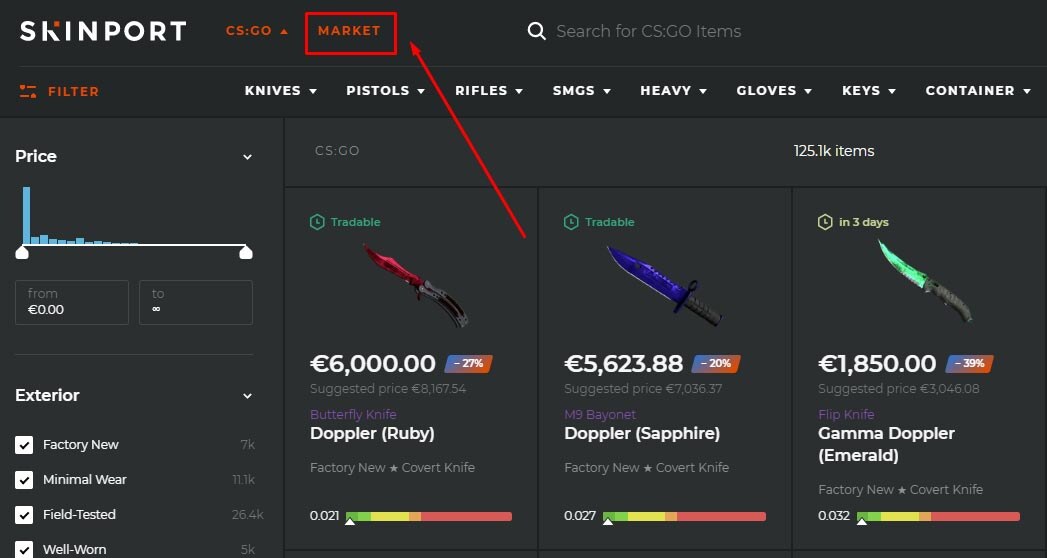
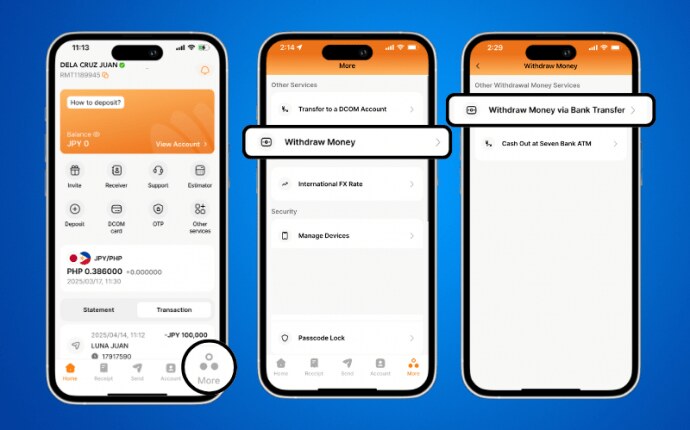
The workhorse. Platforms like DMarket, SkinBaron, Skinport, and CSFloat let you list items for real currency and withdraw proceeds — typically to bank transfer, PayPal-style processors, or crypto, with the exact menu varying by platform and country. Seller fees typically run somewhere between 2% and 12% depending on the venue and item, which — note the irony — often beats Steam's cut and pays out in money that exists. Withdrawal minimums, payout processing times, and identity verification (expect it for meaningful amounts — it's a feature, not an insult) round out the friction. Venue-by-venue detail lives in our marketplace comparison.
2. Peer-to-peer sales
Selling directly to another human — often via a P2P marketplace that escrows the listing while the item moves by direct Steam trade — can capture the best net price, since platform cuts are small or zero. It also concentrates all the risk into the counterparty and the process: this is the habitat of fake middlemen and too-good buyers. P2P is a fine tool for experienced sellers moving liquid items, and a famously bad place to learn lessons.
3. Instant-sell services
Some sites buy your items outright at a quoted price and pay immediately. You're selling to a dealer, and the dealer's margin is the discount — usually the widest of the three routes. The honest use case is speed: when you value now over more, the discount is the price of now.
The fee stack, assembled honestly
Your net exit is the headline price minus a stack of slices, and people habitually count only the first one:
- Platform seller fee — the visible ~2–12%.
- Spread and patience — price to sell today and you're hitting bids below fair value; list at fair value and you're paying in waiting time instead. Illiquid items pay this slice twice; liquidity is an exit feature you bought (or didn't) years earlier, when you chose what to accumulate.
- Withdrawal costs — payout-method fees, currency conversion if the venue pays EUR and you bank in something else (FX details matter here too), and crypto network fees on that route.
- Taxes — the slice everyone forgets until April. Bank deposits from skin sales are visible, taxable events in most places; the unsexy chapter covers what records make it painless.
A realistic all-in exit on a liquid item through a reputable cash marketplace is far better than folklore suggests — but it is never zero, which is one more reason churning in and out of positions is a donation schedule. Budget the whole stack before you list, and the net number stops being a surprise.
Holds: the clock nobody budgets for
Skins move on Valve's timetable, not yours. Freshly traded items carry trade locks before they can move again — purchases on DMarket, for instance, have been observed with roughly 2–7 day locks before withdrawal to Steam. Marketplace payouts add their own processing days, and first-time verification adds more. None of this matters in month two of a five-year accumulation. All of it matters in the week you actually want money — so the practical rule is simply: start any cash-out at least two weeks before the money has a job. An exit under deadline pressure accepts worse prices at every step; the mechanics of locks explain why the clock exists at all.
Plan exits like entries
Accumulators tend to be systematic on the way in and improvisational on the way out, which wastes half the discipline. The same principles transfer directly:
- Tranches, not cliffs. Selling in pre-planned slices at pre-set levels smooths your exit price exactly like DCA smoothed your entry — exit discipline is entry discipline mirrored.
- Rehearse the route once, small. Before you need it, push one cheap item through your chosen path end to end — list, sell, withdraw, land in bank. You'll discover the verification steps, minimums, and timing with $5 at stake instead of $5,000.
- Don't park proceeds on the platform. Sold means withdrawn. A balance sitting on any marketplace is an unsecured loan to that marketplace — the venue is a counterparty, and history is unkind to people who forgot that.
- Keep the receipts as you go. Sale confirmations and payout records, saved at the time. Your cost basis on the buy side should already exist if your buying was automated with a ledger.
The endgame of skin investing is not a big number on a Steam inventory page. It's euros or dollars, settled, in an account with your name on it, with paperwork that survives an audit. Everything before that is position; only the landed cash is score.