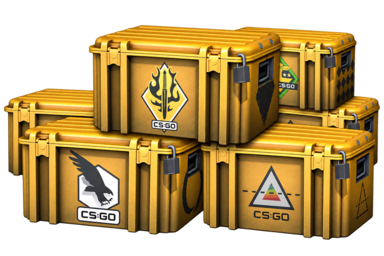
StatTrak M9 Crimson Web FN: The Unicorn Knife
Most grails are expensive because people want them. This one is expensive because it barely exists. The StatTrak M9 Crimson Web in Factory New is the market's cleanest example of multiplied improbability.
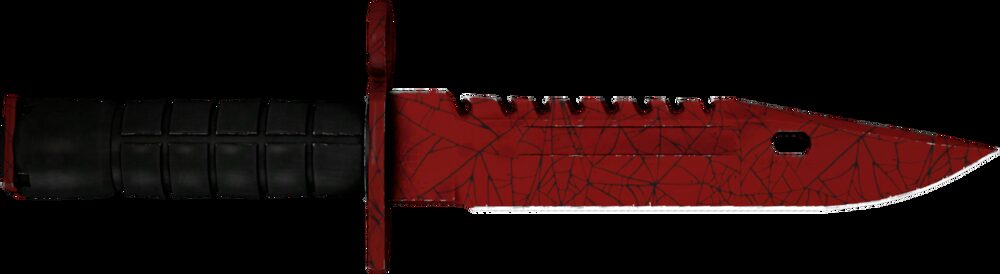
Four rarities multiplied together
Every unicorn item in CS2 is a product of independent low-probability events, and this knife stacks four of them. Miss any one and you have a merely expensive knife; hit all four and you have an item where individual units are tracked by name in collector circles.
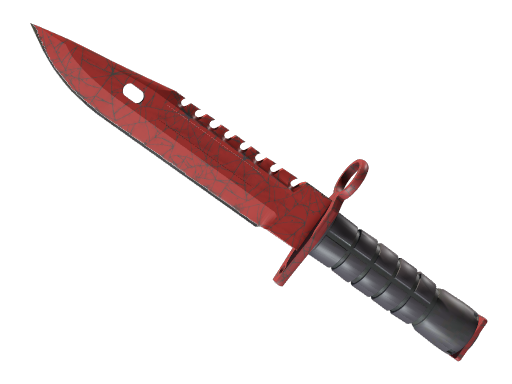
- The float wall. Crimson Web's float range barely dips into Factory New territory. The finish's minimum float sits close to the FN/MW boundary, so only a sliver of all Crimson Webs ever unboxed qualify as FN at all — and most of those are "worst-end FN", visually near-identical to Minimal Wear. A genuinely low-float FN is a rounding error of a rounding error. If float math isn't second nature, the float primer covers why one decimal place moves thousands of dollars.
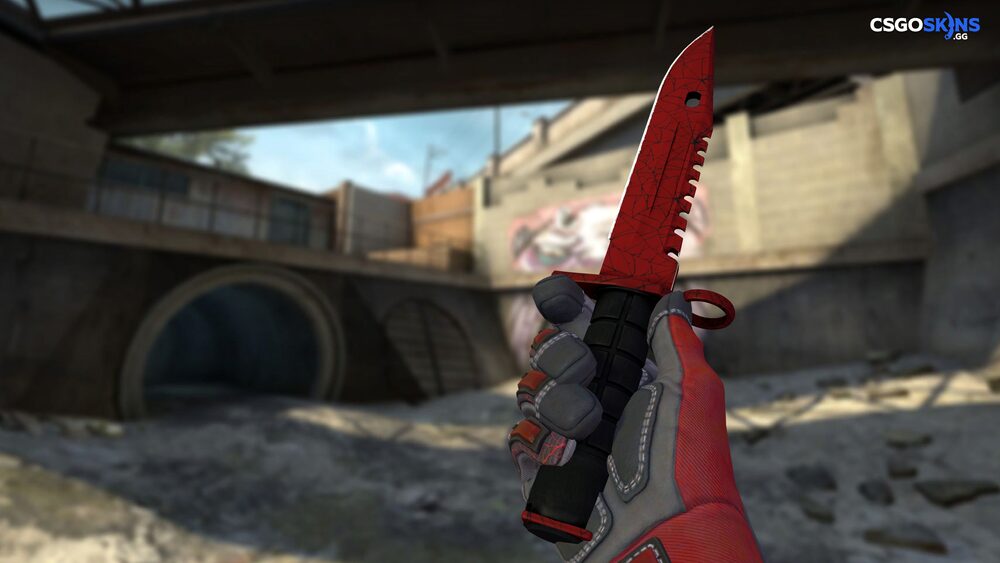
- The pattern lottery. Crimson Web value is pattern-driven: the web placement varies per seed, and examples with large, centered webs on the playside — the fabled triple-webs — trade at multiples of a bland single-web. The pattern system means two FN M9 Crimson Webs can differ several-fold in price on seed alone.
- The StatTrak gate. Roughly one in ten unboxed knives rolls StatTrak. On liquid knives the ST premium is modest; on unicorns it's a supply filter that deletes ninety percent of an already microscopic population.
- The M9 body. Among the original knife bodies, the M9 Bayonet has always sat in the premium tier — big blade, big animations, big screen presence. The same finish on a Gut knife with the same stats would be a curiosity, not a grail.
Multiply a thin float tail by a pattern lottery by a one-in-ten counter by premium-body demand, and the population of true grail-quality examples is not "rare" in the way a Dragon Lore is rare. It is countable. Community trackers have long maintained lists of known FN ST M9 Crimson Webs the way ornithologists track condors.
When a listing is a news event
Because the population is countable, the market for this knife doesn't behave like a market. There is no order book, no bid-ask spread, no meaningful price chart — there are episodes. A holder decides to sell, word moves through trade servers and Discord before any listing appears, and the eventual transaction becomes the new reference point for the next several years.
Reported sales have reportedly run deep into five figures for clean examples, with exceptional playside patterns commanding substantially more. Treat every specific figure you see quoted with suspicion: most trades at this tier are private, often part-cash-part-items, and the "price" that circulates afterward is whatever number survived retelling. This is the extreme end of the liquidity spectrum — the same market structure as a $50 case, with all the liquidity boiled off.
At the unicorn tier, you don't check the price of the item. You check whether the item has traded at all this year.

Why unicorn culture exists at all
CS2 is unusual among collectible markets in that its rarity is procedurally generated and publicly verifiable. A watch collector needs an authenticator; a knife collector needs an inspect link. Float and pattern seed are stamped on the item forever, so "one of maybe a dozen" is not marketing copy — anyone can audit the claim against unboxing records and tracker lists.
That verifiability is what lets improbability itself become the asset. The same culture produced the pattern-387 Case Hardened Karambit — reportedly the subject of seven-figure offers — and the blue gem AK hierarchy. The FN ST M9 Crimson Web belongs to the same family: items whose value proposition is that the RNG will essentially never produce another one, because the supply of new rolls (case openings of an old knife line, filtered through four gates) is a trickle feeding a near-empty pool.
What it teaches everyone else
Almost nobody reading this will ever own one, which is exactly why it's worth studying. The unicorn tier is the skin market with every variable turned to maximum, and it makes the ordinary market legible:
- Scarcity needs an audience. The knife is valuable because M9s, Crimson Web, and StatTrak each have their own demand base. Obscure improbability — a weird float on an unloved skin — is worth nothing. Rarity is a multiplier on demand, never a substitute for it.
- Illiquidity cuts both ways. The same thinness that produces spectacular sale numbers means a forced seller might wait months or accept a brutal haircut. Paper value and exit value diverge more the further up the rarity curve you go — the core theme of exit discipline.
- Provenance compounds. Named units with clean histories trade better than anonymous ones. At the top of the market, the item's story is part of the asset.
The unicorn and the index
There is a portfolio lesson buried in the spectacle. Unicorns are concentrated bets on a single item's story staying intact; the broad market — cases, capsules, liquid skins — is a bet on the ecosystem. The two have wildly different risk profiles, and the history of market crashes shows the illiquid top end repricing slowest and most violently. Admire the unicorn. Build the position out of things you can actually sell on a Tuesday.