
DCA as Portfolio Protection in the Skin Market
Here's the uncomfortable fact every skin investor eventually internalizes: this market can reprice 30% in an afternoon because one company shipped a patch note. You cannot hedge that. You can't buy puts on a weapon case. The only protection available to a buyer is structural — and dollar-cost averaging is most of it.
Why skin volatility is different
Stock markets move on earnings, rates, and a million competing opinions. The skin market moves on those things too — player counts, esports seasons, macro sentiment — but layered on top is something equities don't have: a single actor who can change the rules of the asset itself, instantly, without warning. When Valve announced on October 23, 2025 that five Covert skins could be traded up into a knife or glove, Covert prices jumped on the announcement — and the knives whose scarcity that update diluted repriced just as fast in the other direction. One patch note, one afternoon, an entire market re-rated. The full story is in the 2025 trade-up update, and the general pattern — updates move this market, every time — in how Valve updates move the CS2 market.
The practical consequence: in this market, when you buy is a bigger risk than most people's what. Any single purchase date can turn out, in hindsight, to have been the local top before an update. No amount of research protects you from news that doesn't exist yet.
What DCA actually protects
Dollar-cost averaging — buying a fixed dollar amount on a fixed schedule, regardless of price — doesn't prevent drawdowns. Your existing stack still marks down when the market does. What it protects is the thing you actually control: your average entry price, and through it, your relationship to volatility. Three specific protections:
- No single-date marriage. A lump sum weds your entire position to one price on one day — maximum exposure to exactly the risk this market specializes in. A schedule spreads the position across dozens or hundreds of prices, so no one patch note owns your cost basis. The trade-off math (lump sums win in smoothly rising markets, schedules win your sleep and your worst case) is laid out honestly in lump sum vs DCA.
- Crashes become discounts on future buys. A fixed dollar budget mechanically buys more units when prices fall. The correction that damages your existing stack simultaneously lowers the average cost of everything you're still accumulating. Volatility stops being purely an enemy; the downside leg starts working for the buyer you still are.
- Behavior insurance. The most expensive skin-market decisions are made in the 48 hours after dramatic news — panic sales at the bottom, FOMO buys at the top. A standing schedule replaces those decisions with a rule you wrote on a calm day. This is arguably the largest protection of the three, because the historical record of this market's crashes is mostly a record of people transacting at exactly the wrong moment.
The fine print: what DCA does not do
Honesty section. DCA does not guarantee profit — averaging into an asset that goes to zero just means you bought the whole ride down, which is why item selection and Valve risk still matter and why cases with deep, persistent unboxing demand are the usual vehicle. It doesn't beat a lump sum in a market that only goes up; smoothing has a cost, and pretending otherwise is marketing. And it doesn't remove the need for position sizing: a schedule funded with money you can't afford to mark down 40% is still a mistake, just an evenly distributed one. The sizing rule — entertainment money, satellite position — is in budgeting for skin investing.
Why the protection usually fails in practice
The weak link in DCA isn't the math — it's the human running it. The protection only exists if the schedule actually executes, especially on the days it's hardest to execute: the red days, the scary-headline days, the days the buy feels stupid. Manual DCA has a documented failure pattern: it runs beautifully for three weeks and dies the first time the market drops hard, which is precisely when skipping does the most damage to your average. That flinch — and what buying through a drawdown actually looks like week by week — is the subject of buying through a correction.
This is where automation stops being a convenience and becomes part of the protection itself. A bot doesn't read the subreddit. It executes the same plan on the euphoric days and the terrifying ones, at capped prices, within a budget, and logs what it did. The founder of this site runs exactly that: $20/day across a fixed case list, executed automatically, every fill in a public ledger. Not because he lacks opinions on red days — because the strategy works better when those opinions can't touch the schedule.
Making it concrete
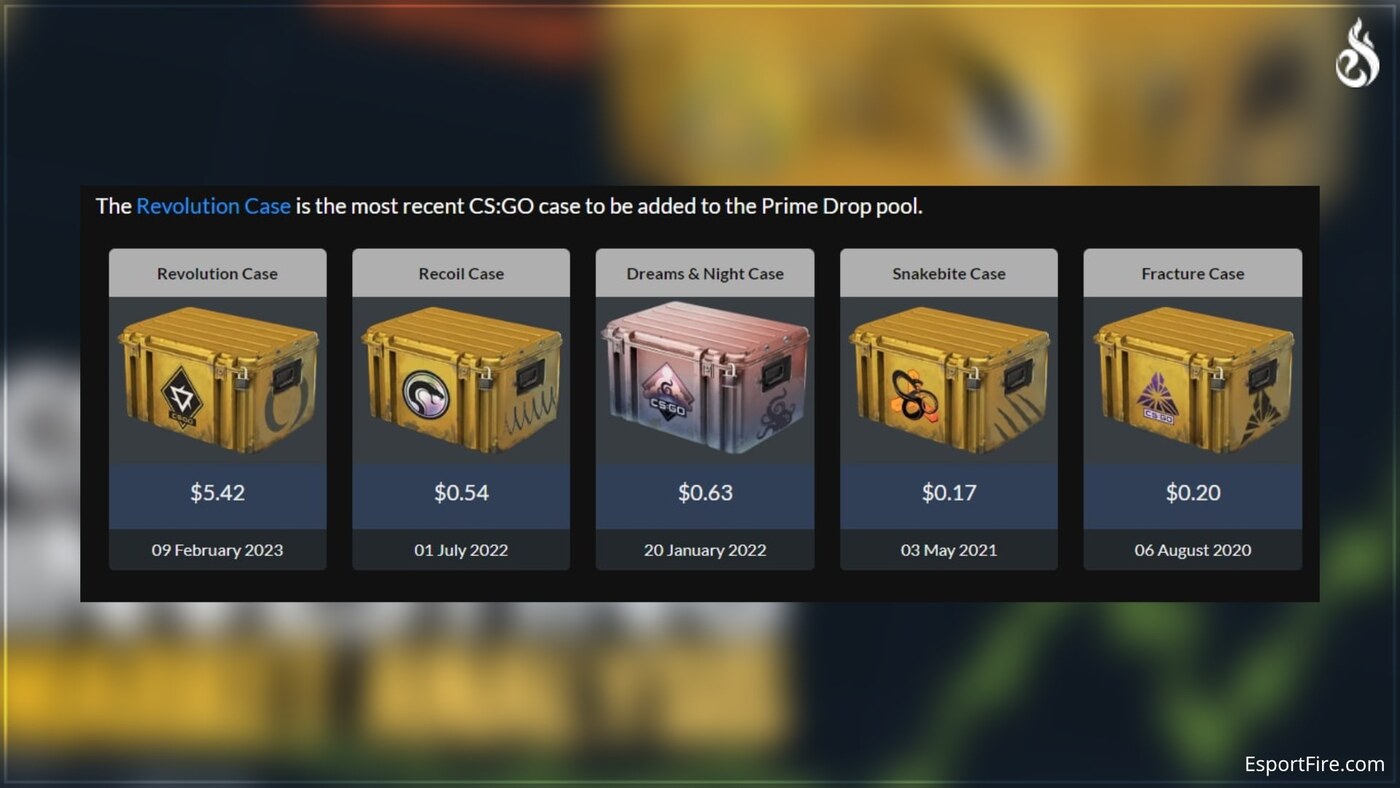
A protective DCA setup for the skin market has four settings: a fixed budget you'd be comfortable losing entirely (the honest sizing test); a short list of liquid items rather than one concentrated bet; per-item price caps so a spike day buys nothing rather than buying badly; and a cadence you never renegotiate mid-drawdown. Daily smooths hardest and suits most budgets; the cadence trade-offs are covered in choosing your DCA cadence.
Then the hard part: leave it alone. The whole value of the structure is that it's still standing after the next patch note — the one nobody, including you, saw coming.