
Daily, Weekly, or Monthly Buys? Choosing Your DCA Cadence
Ask five case stackers how often to buy and you'll get five confident answers. Here's the deflating truth: over a multi-month horizon, daily vs weekly vs monthly barely moves your average price. What it moves — enormously — is whether you're still doing this in six months.
The variance question, answered honestly
Dollar-cost averaging works by sampling many prices instead of one. More samples means a smoother average — but the smoothing gains fall off fast. Going from one buy to four buys a month removes most of the single-day risk; going from four to thirty removes a much smaller remainder. Run any illustrative simulation on a wobbly price series and the pattern repeats: daily and weekly averages land within a whisker of each other over a quarter, while monthly lags a bit in smoothness because twelve samples a year still lets one ugly day carry real weight.
So if someone tells you daily buying is mathematically essential, they're overselling it. The math argument for frequency is real but modest, and it's covered in depth in entry smoothing. The decisive arguments live elsewhere.
What actually differs between cadences
| Daily | Weekly | Monthly | |
|---|---|---|---|
| Price smoothing | Best | Nearly as good | Acceptable, lumpier |
| Fits budgets like | $5–20/day | $20–100/wk | Any size |
| Whole-unit problem | Real for pricey cases | Rare | None |
| Manual effort | Brutal | Annoying | Tolerable |
| Skip risk (manual) | High | Medium | Low, but each skip hurts more |
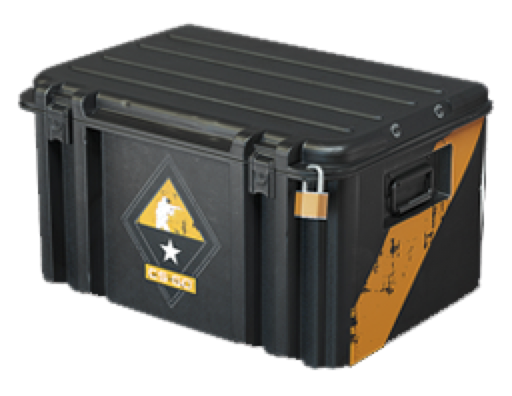
Two rows deserve expansion. The whole-unit problem: skins aren't fractional. If your budget is $3/day and a case trades at $8, a daily cadence can't buy anything most days — the sensible shapes are either a weekly buy that affords whole units, or a daily plan that accumulates and buys when the pot covers a unit. Cheap cases dodge this entirely; pricier anchors don't. That's why a common two-plan setup pairs a daily budget across cheap liquid cases with a weekly standing order for one expensive case — the founder's public config does exactly this, filling roughly $19–20/day across about five cases plus one CS:GO Weapon Case a week (a case that trades around $110–120 in his ledger). The pattern is written up in standing orders as code.
The fee row that isn't there: buying, unlike selling, mostly doesn't punish frequency on cash marketplaces — you pay the listing price either way, and there's no per-order commission eating small buys the way stock brokers once did. What small frequent buys do cost you is attention, which brings us to the real decision.
A note on lumpy events
One genuine edge case favors faster cadences: update shocks. This market occasionally reprices in hours — the October 2025 trade-up announcement moved Covert skins and their cases within days — and a monthly buyer's next scheduled purchase can land entirely on the wrong side of a move like that. A daily or weekly schedule guarantees you bought some units at pre-shock prices and some after, which is exactly the indifference DCA promises. It's not a huge effect over a multi-year hold, but it's real, and it compounds with the psychological one: the monthly buyer who watches a shock unfold mid-cycle almost always starts improvising, and improvisation under stress is precisely the failure the schedule existed to prevent in the first place.
The real factor: which cadence survives you
Manual daily buying fails for almost everyone. Not on day 3 — on day 40, when the novelty is gone and checking two marketplaces before work feels like a tax. Manual weekly is sturdier but still dies to vacations and busy months; the time cost adds up regardless. Manual monthly survives best but concentrates each decision: one distracted evening and you've bought a month's budget at a spike, and skipped months are the single biggest killer of DCA results — a missed month is 8% of your year's samples, a missed day is 0.3%.
So pick by honesty, not by optimization: choose the fastest cadence you will genuinely never skip. For most manual buyers that's weekly. And if the cadence you want is faster than the cadence you'd sustain, that's precisely the gap automation exists to close — a bot doesn't get bored on day 40, which is most of the case made in why manual buyers switch. With execution automated, daily becomes the natural default: best smoothing, zero effort, and small enough individual buys that no single morning matters. cs2stack supports all three cadences per plan, so the choice becomes a config line rather than a lifestyle commitment.
Choosing in practice
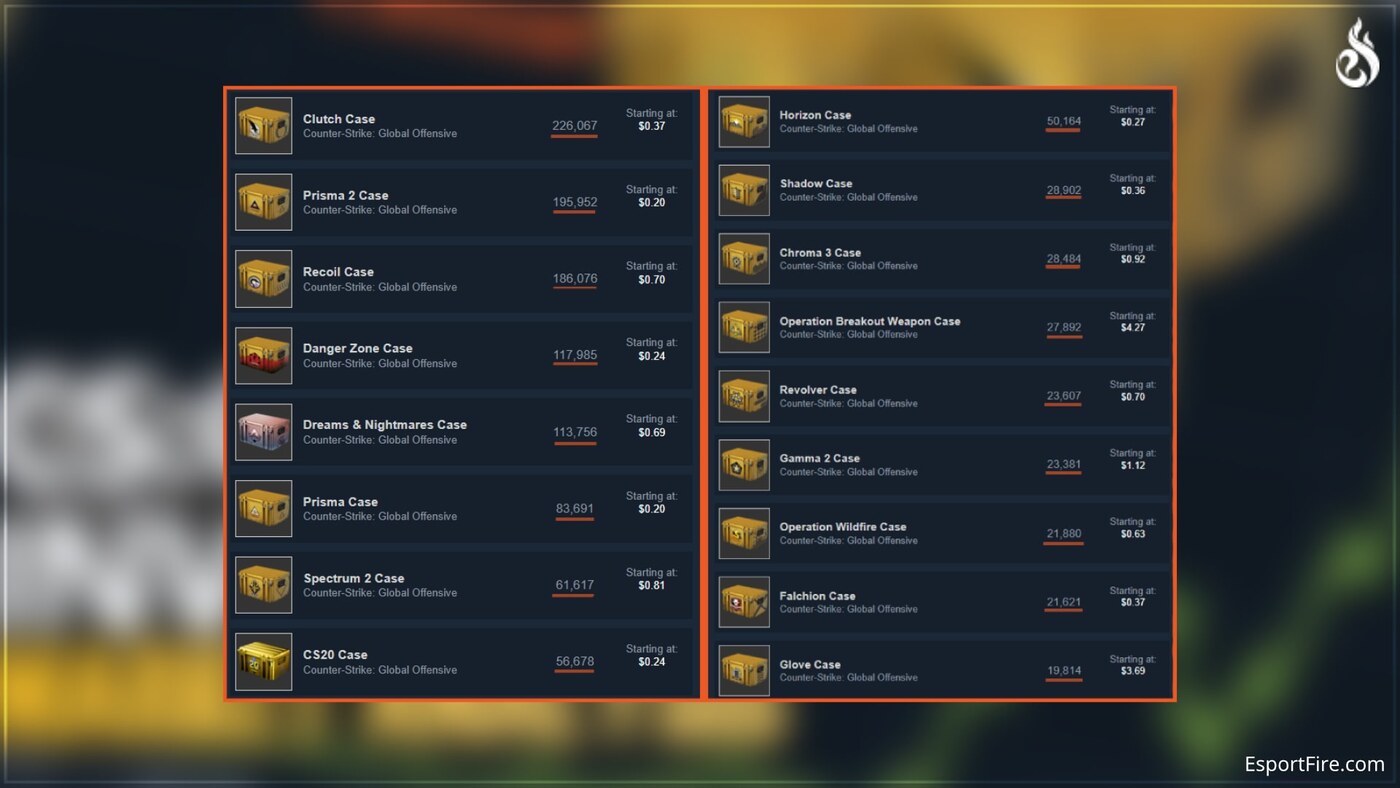
- Budget under ~$50/month, cheap cases: weekly manual, or daily automated. See the $100 starter plan for the shape.
- Budget in the hundreds/month: daily automated for the core, weekly standing orders for expensive anchors — the classic multi-plan config.
- Monthly lump only: fine, and still far better than timing attempts — but read lump sum vs DCA before deciding the lump is the plan rather than the constraint.
One last reframe. People agonize over cadence because it feels like the lever that determines results. It isn't. Item selection, budget sizing, and staying in the game for years dominate everything cadence does. Cadence is a discipline choice wearing a math costume — choose the one you'll keep, automate it if you can, and spend the reclaimed attention on the decisions that actually pay, like which cases to buy in the first place.