
CS2 Skins vs Bitcoin: Which Was the Better Hold?
Two volatile assets, two evangelist communities, two markets that outsiders call fake. The comparison is more instructive than either fan base wants it to be.
Why this comparison keeps coming up
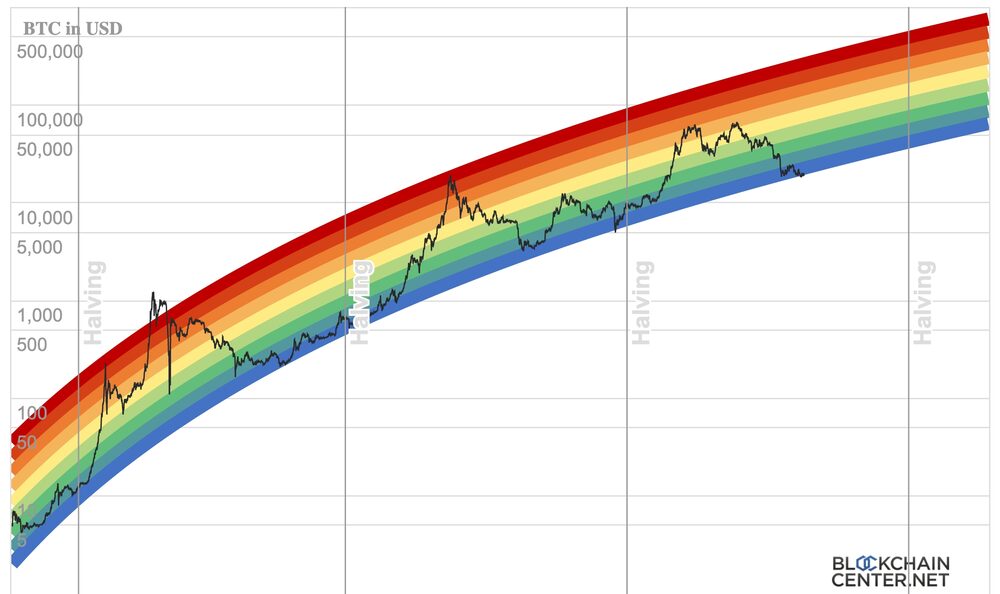
Skins and Bitcoin rhyme. Both are digital objects whose value rests on collective agreement rather than cash flows. Both went through gambling-adjacent adolescence, regulatory scares, and repeated obituaries. Both minted a class of holders who got rich by refusing to sell, and both trade around the clock in fragmented venues where quoted prices need interpretation. When skin holders reach for a benchmark, the S&P feels like a different universe — we've run that comparison separately — but BTC feels like a sibling.
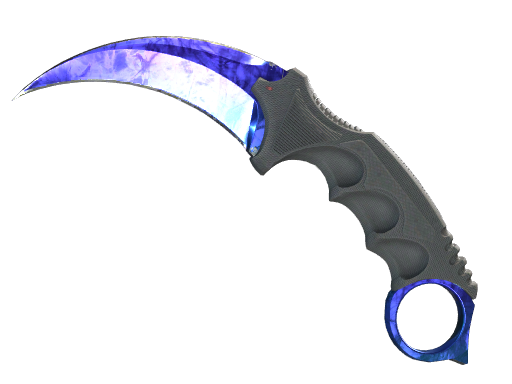
The returns conversation depends heavily on the window. Bitcoin's decade-scale numbers are untouchable — essentially nothing on Earth competed with buying BTC in 2013. But over the recent five-year window that most skin investors actually lived through, the story is more even: per third-party trackers, broad baskets of discontinued cases compounded at rates estimates put around 30–40% a year through the 2021–2026 run, while BTC delivered strong but famously lumpy gains — deep bear years followed by violent recoveries. Depending on your exact entry and exit, either asset can "win" that window. Anyone quoting a precise winner is choosing their endpoints to flatter a position.
Volatility and drawdowns: different shapes of pain
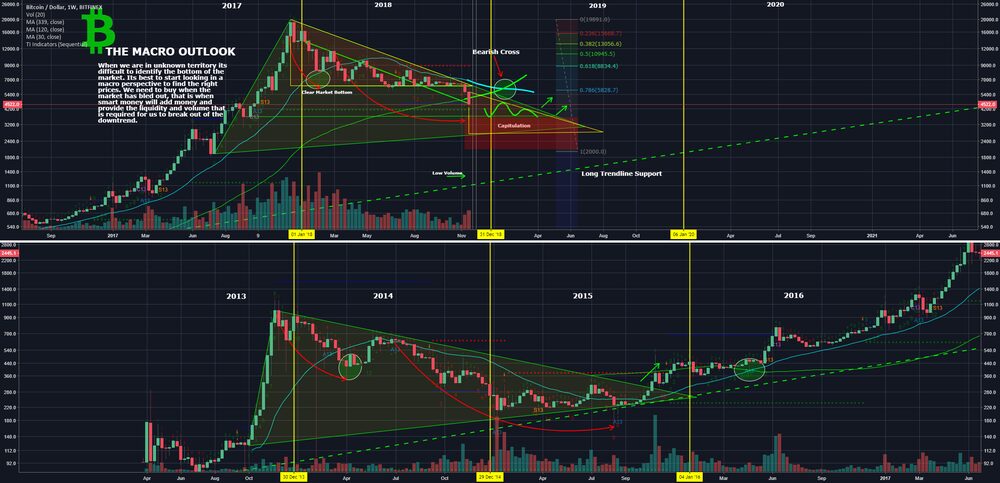
Bitcoin's signature drawdown is the crypto winter: peak-to-trough declines that have historically run 70–80% and lasted a year or more. That's the price of holding it — everyone who won held through at least one.
Skin drawdowns are shaped differently. They're event-driven, near-instant, and category-specific. The 2025 trade-up update crushed knife and glove floors within hours while red skins spiked; the 2019 key ban froze an entire asset class overnight. Between shocks, the case market's grind has historically been steadier than crypto — the burn-schedule supply mechanics keep working every day, in every mood. A crude summary per tracker data: BTC's volatility is chronic; skin volatility is acute, arriving via changelog.
Custody: keys vs Valve's goodwill
Here the assets genuinely diverge, and it's the most underrated part of the comparison.
- Bitcoin is bearer ownership. Hold your own keys and no company, court order to a platform, or terms-of-service change can take the asset. The custody risk is you — lost seeds, phishing, exchange failures for those who never withdrew.
- Skins are a licensed entry in Valve's database. The subscriber agreement is explicit: you own a license, Valve owns the items. Accounts get locked, trade holds constrain movement, and Valve has shown — keys in 2019, OPSkins' trade ban in 2018 — that it will burn market value to protect the ecosystem.
- But custody UX inverts the story. Practically, a Steam account with 2FA is easier for a normal person to keep safe than a hardware wallet. More BTC has reportedly been lost to dead seeds and hacked exchanges than skins have been lost to Valve bans. The theoretical hierarchy and the lived one point opposite directions.
What actually drives each price
Bitcoin's demand is macro: liquidity cycles, institutional flows, halving narratives, its claim to being digital gold. It correlates, awkwardly for its marketing, with risk assets broadly.
Skin demand is almost endearingly concrete: people who play Counter-Strike wanting things. Demand tracks concurrent player counts, big esports moments, and Chinese platform activity far more than it tracks the Nasdaq or BTC. That gives skins something genuinely rare: a return stream mostly uncorrelated with the rest of a portfolio. It also names the bear case precisely — the demand engine is one game's health. Bitcoin survives any company failing; skins survive exactly none of Valve failing.
Liquidity and the exit problem
One dimension where Bitcoin simply wins: getting out. BTC settles to cash on regulated exchanges in minutes, at quoted prices, in essentially unlimited size for any retail holder. Skins exit through a narrower pipe. Cheap liquid cases sell fast, but the order books thin out brutally with price — a five-figure knife can sit listed for months, and selling a large position quickly means eating discounts at every step. Add venue fees and the structural gap between quoted and cash prices, and the round-trip cost of skins runs an order of magnitude above crypto's. Tracker returns are real, but they're gross returns; the net depends on how gracefully you can leave.
This is also why the two markets reward different temperaments. Bitcoin tolerates traders; its liquidity forgives churn. Skins punish churn severely and pay patience — which, for accumulation-minded holders, is less a bug than an enforced discipline.

So which was the better hold?
As of mid-2026, honest scoring: Bitcoin over a decade, contest over. Over the recent five years, skins are competitive with far shallower drawdowns per tracker data — with the caveats that tracker prices overstate what sellers net after cash-out costs, and that the sample is one bull era of one game. Skins earned the comparison; they haven't earned BTC's fifteen-year survival record, and the next five years are the real test.
The strategy conclusion is the same one crypto veterans converged on after two winters: in assets this volatile, entry timing is a coin flip you don't have to take. Scheduled, spread-out accumulation beat lump-sum conviction for most BTC holders, and the identical logic applies to cases.