
The Boring Logistics of Case Stacking: Inventory, Trade Holds, Storage
The strategy posts end at "buy the case." Then you buy the case and discover a supply chain: the item sits locked on a marketplace for days, arrives via a trade offer you have to accept, lands in an inventory with limits, and needs records nobody told you to keep. Here's the pipeline from checkout to safely stored.
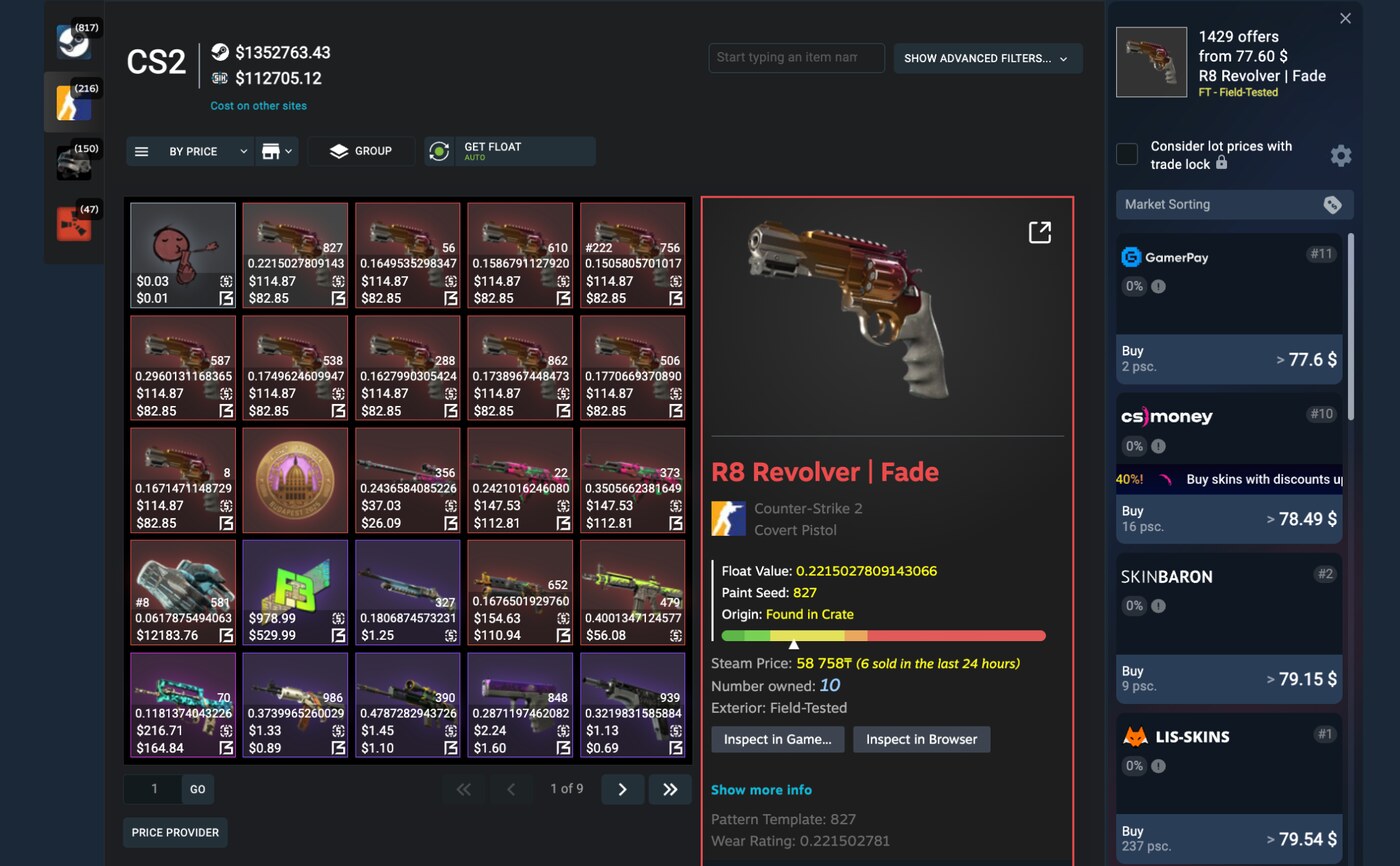
A purchase is a pipeline, not an event
New stackers picture buying a case like buying anything online: pay, receive, done. The reality has stages, and each stage is a place items can sit, stall, or get forgotten:
- Bought — the marketplace took your money; the item is credited to your marketplace account, not your Steam account.
- Locked — many purchases carry a trade lock before they can be withdrawn. On DMarket, locks of roughly two to seven days on purchased items are commonly observed. This is anti-fraud plumbing, not a malfunction — the background is in trade locks explained.
- Withdrawable — the lock expires and the item can be sent to Steam. Nothing happens automatically; someone (or something) has to request it.
- In transit — a Steam trade offer arrives and must be accepted. SkinBaron, for instance, delivers via direct Steam trade offers. Unaccepted offers expire.
- Home — the case is in your Steam inventory, where the stack actually lives.
Most "where are my cases?!" panics are just an item sitting in stage two or four. The full tracking discipline is covered in withdrawal tracking; the short version is that a stack accumulating daily always has items strung out along this pipeline, and that's fine — as long as you can account for them.
Trade holds are a feature you schedule around
Valve and the marketplaces added friction to trading on purpose — reversibility and delay are how a market full of hijacked accounts stays usable, a history told in the 2018 trade holds story. For a stacker the operational takeaway is simple: never count on same-day delivery, and never let holds surprise you into thinking something failed. A daily buyer's pipeline reaches steady state after about a week: from then on, items flow into your inventory roughly as often as you buy, just offset by the lock length. Buy-and-hold investors are the one group trade holds barely hurt — you weren't going to touch the case for three years anyway. The strategic view is in trade holds: why late arrival is fine.
Where the stack lives long-term
A serious stack eventually meets Steam's inventory limits — and the answer is the humblest item Valve sells: the storage unit, an in-game container that holds a thousand items and costs a couple of dollars. Label them by case type or by year, move items in batches, and treat your main inventory as a loading dock rather than a warehouse. The practical guide is storage units: the $2 vault.
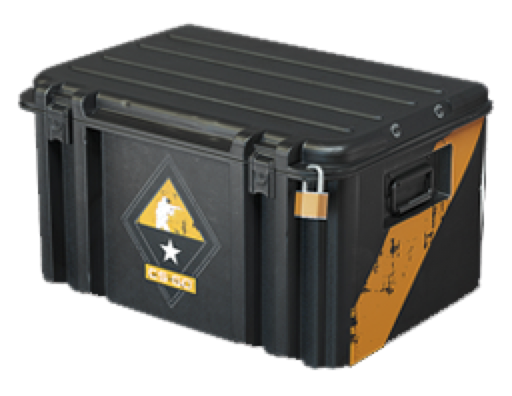
Two hygiene rules matter more than any organizing scheme. First, keep marketplace balances and marketplace-held items small. A venue is a counterparty: it can freeze accounts, change terms, or fail — see marketplace risk. Items in your Steam inventory are exposed to Valve risk only; items sitting on a marketplace are exposed to both. Withdraw on a routine — weekly works — rather than letting months of purchases pool on the venue. Second, guard the account like it holds money, because it does. Mobile authenticator on, API key audited, no login through links anyone sent you. The predators here are phishers, not hackers — the patterns are catalogued in scam patterns.
The records problem (and the lazy solution)
A thousand-case stack accumulated over years is also a thousand purchase records: date, price, venue, currency. You will want them — for an exit ladder keyed to your average cost, for tax questions, and for the basic sanity check of whether you're actually up. Reconstructing them later from marketplace emails is miserable; capturing them at purchase time is trivial. A spreadsheet works if you're buying manually and actually fill it in every day (nobody does, forever — the spreadsheet phase ends the same way for everyone).
The lazy solution is to make the buyer and the bookkeeper the same process. When purchases are automated, the ledger can be a side effect: cs2stack appends every buy — item, venue, price, EUR conversion where relevant — to a money-exact ledger committed to git, so the paper trail exists whether or not the human is paying attention. The founder's public $20/day run shows what this looks like at steady state: roughly $19–20 in fills across about five cases most days, plus a weekly CS:GO Weapon Case, every line accounted for. The philosophy is in why ledgers beat memory.
The steady-state routine
Once set up, the logistics of even a large stack compress into minutes a week: buys happen daily (automated or not), a weekly session accepts pending trade offers and withdraws unlocked items, storage units swallow the overflow in batches, and the ledger updates itself or gets its five minutes. Boring is the goal. Every hour this plumbing doesn't cost you is an hour the strategy stays sustainable — and sustainability, not cleverness, is what multi-year holds actually run on.