
How to Snipe CS2 Skins 35–40% Below Market the Second They List
Every sniper has the same screenshot somewhere: a skin listed at barely half its going rate, bought in the two seconds before anyone else saw it. Those listings are real. They are also rare, fiercely contested, and surrounded by lookalikes that only appear cheap. Here's how deep-discount sniping actually works in 2026 — and what it takes to be the one who gets there first.
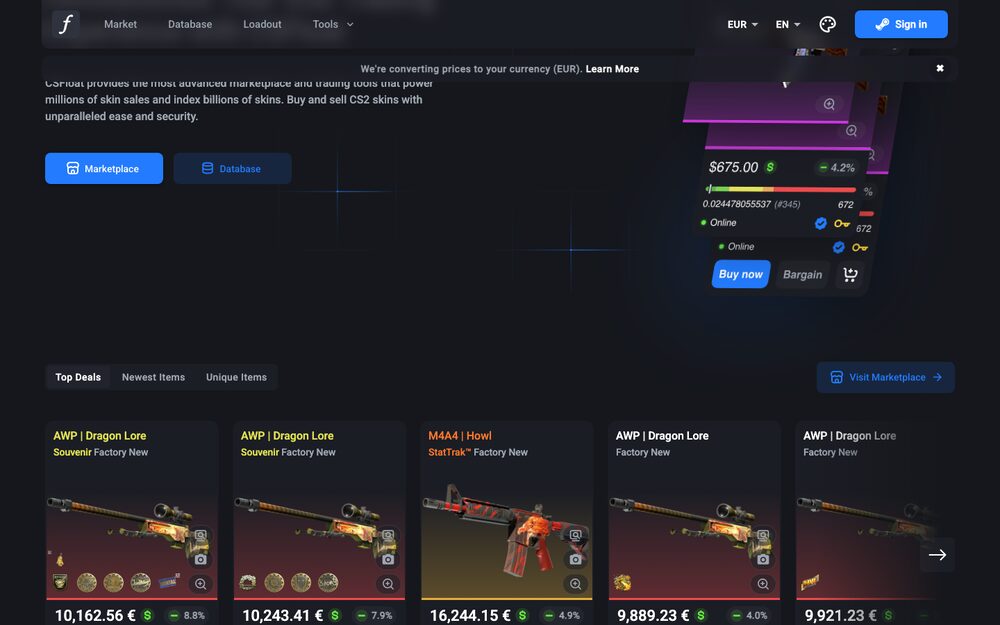
Where 35–40% discounts actually come from
Nobody donates money on purpose. When a skin lists far below its market rate, one of a few very human things happened:
- The seller needs cash tonight. Rent-week listings are priced to sell in minutes, not days. The seller knows exactly what they're giving up; speed is what they're buying. Instant-sell flows institutionalize this — the marketplace pays its bid price and relists at a margin, and sometimes that relist is still cheap.
- The seller doesn't know what they have. A high-tier pattern, a top-percentile float, or a craft with four figures of stickers priced as if it were the base skin. Pattern-blind pricing is the single richest vein left.
- Wrong venue, yesterday's price. A seller lists on a quiet marketplace at a price that was fair last week on a different one. Cross-venue gaps of 10–20% are routine; after a sharp market move they can hit 40%. The same skin holds five prices at once.
- Fat fingers. A missing digit still happens. These fills are lottery tickets — real, but nothing you can build a strategy on.
Notice what's not on the list: generosity. If a listing looks 40% cheap and none of these explanations fit, the discount is usually fictional — a badge computed against an inflated reference price, a wear-tier mixup on your side, or an item with a defect the price already knows about.
The half-life of a deal is seconds
A genuinely underpriced listing on a liquid item survives, in practice, seconds to low minutes. Deal scanners poll continuously, dozens of alert bots repost the same feeds, and the fastest buyers run execution bots that go from detection to checkout with no human in the loop. The speed race has three tiers:
| Tier | Detection | Execution | Wins |
|---|---|---|---|
| Manual refresher | Minutes | Manual checkout | Illiquid tails, odd hours |
| Alerts + fast hands | Seconds–minutes | Manual, primed | Judgment-heavy deals |
| Full automation | Sub-second–seconds | Scripted | Rule-clean deals on liquid items |
The honest conclusion from that table: on liquid, easily-priced items, humans no longer win the race. Where humans still eat is where liquidity is thin, where valuing the item takes actual knowledge (patterns, crafts), and at hours when fewer eyes are on the feed.
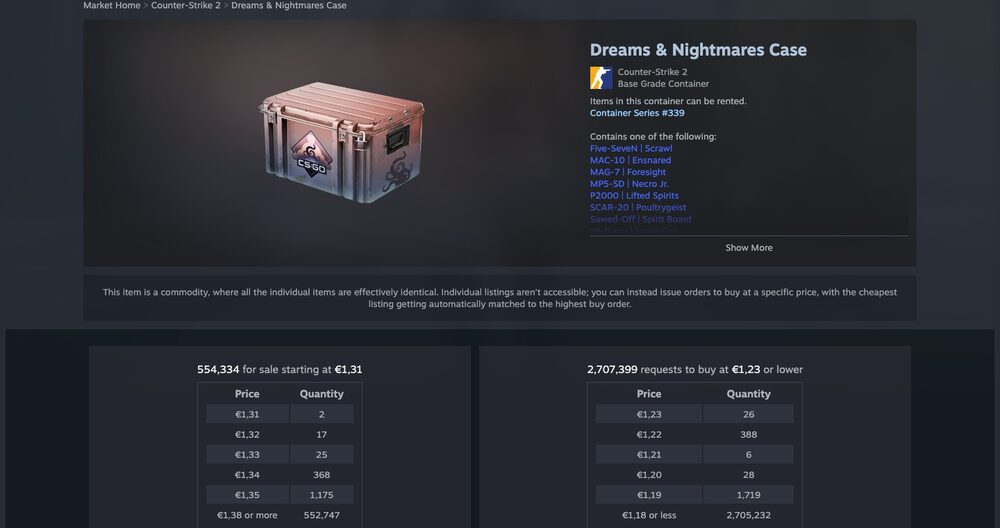
The setup that catches real deals
1. Fix your reference price first
You cannot recognize 35% below market if you don't know the market. Anchor on a liquid mid across venues — not the venue's own "suggested price", which is routinely inflated. Aggregators and overlay extensions do this per item; a monitoring sheet does it per watchlist.
2. Watch a list, not the firehose
Snipers who watch everything catch nothing. A defined watchlist — the items you know how to value — with filters tight enough to page you only for real deviations beats scrolling feeds for hours. This is exactly the time-cost trap that kills most manual traders: the hours disappear into watching, not deciding.
3. Keep dry powder where you hunt
Deals die in the seconds it takes to top up a balance. A funded account on your two or three main venues is the difference between a fill and a screenshot of someone else's fill. Bankroll discipline — per-deal caps, refill cadence — is what keeps the hobby from becoming a leak.
4. Automate the rule-clean part
Any deal you can express as a rule — "this case under $0.90 on either venue", "this skin below 65% of reference" — is a deal a machine catches better than you. Standing price ceilings and autobuy rules turn sniping from a reflex game into a policy. Keep for yourself only the deals that need judgment.
The exit is part of the snipe
A 40% discount is not profit — it's potential profit, gated by the resale. Between you and realized gains sit the trade lock, two sets of marketplace fees, and the question of whether anyone actually buys the item at reference price. A disciplined sniper prices the exit before clicking buy: on liquid items the round trip costs roughly 5–15% depending on venues, which is why a "20% discount" on a thin item is often a loss wearing a deal's clothes.
That's also the quiet argument for the other posture: if your goal is accumulation rather than flipping, you don't need to win races at all. A standing rule that buys your chosen items whenever they trade below your ceiling — letting the market come to you — captures most of the same discount with none of the screen time. Buying steadily on cash marketplaces runs structurally 30%+ below Steam prices anyway: the founder's own ledger here shows 36% below same-day Steam price on average, purchase by purchase, without contesting a single race.
Is it worth it in 2026?
Sniping still pays — but it pays like a craft, not like a faucet. The botted middle of the market keeps compressing; the edges (knowledge-priced items, thin hours, patient standing orders) keep paying people who put in the work. Decide which game you're playing before you start paying its costs.