
Buying Low-Float Skins Without Paying the Float Tax
Two Factory New copies of the same skin, floats 0.06 and 0.01. On one listing the lower float costs 5% extra; on another, 50%. That inconsistency is the whole opportunity: float premiums are priced by vibes, not by formula, and a buyer who understands where the vibes break down can own genuinely low floats for close to base price.
Why float premiums are so inconsistent
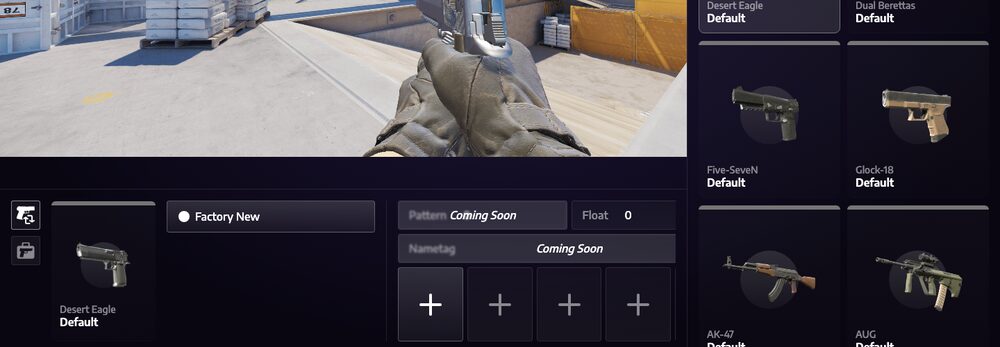
Float — the wear decimal every skin carries — maps to price through two mechanisms. The hard mechanism is wear-tier boundaries: cross from 0.07 down into Factory New territory and the price steps up discretely, because the tier label changes. The soft mechanism is everything inside a tier, and it's barely a market at all. There's no agreed curve for how much a 0.01 should cost versus a 0.05. Sellers guess. Some price low floats like pattern grails; others don't check the third decimal before listing.
The result is that within-tier float pricing is one of the least efficient corners of the CS2 market. For famous float-sensitive skins — the ones with visible wear differences or established collector metas — the premium curve is steep and reasonably consistent. For hundreds of other skins, a top-decile float sells at essentially the base price several times a week because the seller priced against the tier, not the decimal. Your job as a buyer is to be there when that happens, and never to be the counterparty paying a 50% premium a different seller doesn't charge.
Decide what the float is actually for
Before hunting, answer honestly: why do you want the low float?
- Looks in game. Then the only threshold that matters is visual. On many skins, wear differences below ~0.10 are barely distinguishable in-hand; check screenshots or the inspect view before paying anything extra. If you can't see it, don't buy it.
- Resale value. Then you need the premium to survive the round trip. A 30% float premium bought at retail rarely comes back after fees; a 5% premium on a skin with a real float meta might. Value the exit, not the entry.
- Collecting or crafting. Top-500 floats, tier-limit chasing, sticker-craft bases — legitimate, but that's a collector market with its own pricing logic, and "cheap" mostly stops applying.
Most buyers, pressed, are in the first category — in which case the strategy is simple: buy the cheapest listing that clears your visual bar, and treat everything below its float as free. The rest of this guide is for when you genuinely want the low decimal.
Hunt where float is a search filter
The float tax concentrates where float is displayed prominently and sorted by default; the discounts concentrate where it isn't. Practical consequences:
CSFloat is the reference venue for float shopping — every listing carries full float and pattern data, and you can filter by exact float range. Ironically that transparency cuts both ways: obvious grails get priced like grails, but the filter also surfaces mispriced ordinary listings — the 0.008 sitting at the same price as the 0.06 next to it, listed by someone who priced against the tier low. Sort by price within a tight float band and those anomalies pop out immediately.
Generalist marketplaces are the other hunting ground. Venues where listings sort by price and float lives a click deep — most cash markets work this way — regularly ship low floats at base price, because neither the seller nor the venue's default view emphasized the decimal. Browser tools like BetterFloat surface float data inline while you browse, which turns this from tedious to passive. And on any venue, verify the exact item and float on the inspect link before paying — screenshots and thumbnails round off exactly the digits you're buying.
Patience is the discount: standing orders beat browsing
Because within-tier pricing is inconsistent seller by seller, the cheap low float is a matter of when, not whether. Any liquid skin gets listed dozens of times a week; some fraction of those listings ignore float. Browsing catches whatever is mispriced right now — usually nothing. Waiting catches the next one, automatically.
The tools: CSFloat's buy orders let you place a standing bid with float constraints — max float, price, quantity — that fills the moment a matching listing appears, including from sellers who never looked at their float. Price alerts with float filters do the same job semi-manually. And float sniping — the active version of this hunt — is a full discipline of its own if you develop a taste for it. The common thread: define the float band and the price you'd be happy with in advance, then let the market come to you. Chasing a specific listing is how you pay the 50% premium; setting a standing order is how you pay the 5% one.
The cheap-end playbook, summarized
Buy the wear tier, not the decimal, unless you can articulate why the decimal pays. When you do want the decimal: shop venues with float filters to find the anomalies, browse generalist markets with a float overlay to catch what sellers missed, and prefer standing buy orders over live browsing so seller inattention works for you around the clock. Cap your premium in advance — single digits for looks, and only more than that when a documented float meta says the exit supports it. Skip all of this for skins where wear is invisible.
The float market rewards exactly one temperament: people who decide what they want, put a number on it, and wait. Which — as with every other way buyers overpay — makes the low-float game less about knowledge and more about not negotiating with yourself at midnight.