
Buying CS2 Skins With Crypto (2026)
Crypto and skins were made for each other on paper: both are digital, both move globally, and neither cares what your bank thinks of your hobby. In practice, paying for skins with crypto is a real option with real costs — an on-ramp fee here, a network fee there, a volatility window in the middle, and a tax consequence at the end that most guides skip entirely. Here's the honest version.
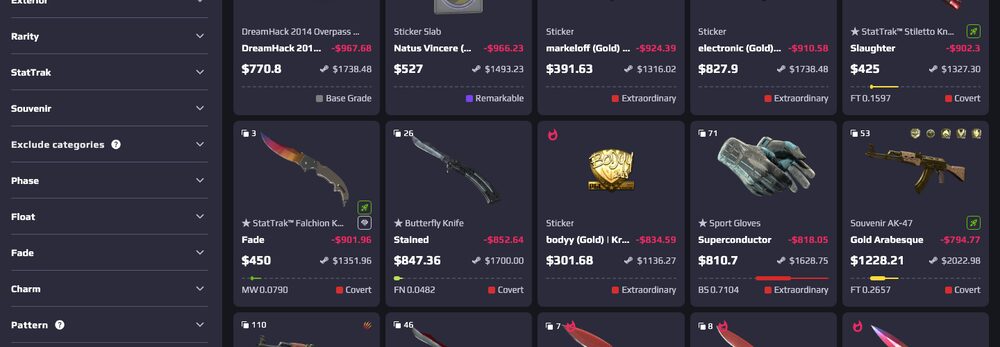
Where crypto actually works
Crypto acceptance in the skin economy splits into three patterns, and knowing which one you're dealing with changes the math.
Crypto-native venues are built around it. White.Market is the clearest example: listings, balances, and withdrawals all denominated in crypto, with stablecoins doing most of the work. If you already hold crypto and want to keep the whole loop on-chain, this category is the shortest path.
Crypto as a deposit method is the more common pattern. Many mainstream marketplaces — across both the P2P and on-site inventory camps — let you top up a site balance with BTC, ETH, or stablecoins, then spend that balance like any other. The item side of the transaction is identical to a card purchase; only your funding rail changed.
Crypto through a payment processor is the third pattern: the venue never touches coins itself but plugs in a third-party crypto checkout. Functionally similar to a deposit, but the processor's spread becomes part of your cost, and support disputes now involve three parties instead of two.
One thing crypto does not change: you're still buying on a third-party venue, so all the usual rules about sticking to venues with a track record apply with extra force. A crypto payment is effectively final. There is no issuer to call.
The real cost stack
The pitch for crypto is "lower fees." Sometimes true — but only if you count every layer. A crypto purchase commonly stacks up like this:
- On-ramp cost. If you don't already hold crypto, buying it with a card or bank transfer costs something — commonly anywhere from under 1% to several percent depending on the exchange and method, per each platform's schedule. This fee alone can erase the discount you came for.
- Network fees. Sending coins costs a transaction fee that depends on the chain and congestion. Trivial on cheap chains, meaningful on others — and it's a flat-ish cost, so it punishes small purchases hardest.
- Deposit spread or minimums. Venues and processors commonly apply a conversion spread when crediting your crypto as balance, and some set deposit minimums that don't suit a $10 skin.
- The volatility window. Between funding and spending, your purchasing power floats. Hold ETH for a week before buying and your skin budget might be 5% bigger or smaller through no decision of your own. Stablecoins mostly close this window, which is exactly why they dominate crypto skin payments.
- Exit friction. If you overfund a balance, getting the remainder back out has its own fees and rules — worth checking before you deposit, not after.
Add those up and crypto is commonly cheaper than a card for someone who already holds stablecoins, and commonly more expensive for someone buying coins specifically to spend them five minutes later. The hidden-cost audit you'd run on any payment method applies here with two extra rows.
KYC: sometimes lighter, never absent
Part of crypto's appeal is that it can carry lighter identity requirements at the point of purchase — some crypto-native venues have historically let you trade with little more than a wallet and a Steam account. But the picture is narrower than it looks. Regulated exchanges KYC you on the way in when you buy the coins, marketplaces commonly trigger verification at withdrawal time or above certain volumes, and rules have been tightening across jurisdictions for years. Treat crypto as a different KYC schedule, not an exemption — who asks for ID and when varies more by venue than by payment method.
It should go without saying: the goal is fewer forms, not evading the rules that apply to you. If a venue asks for verification, that's usually a sign it plans to still exist next year.
The tax wrinkle nobody mentions
Here's the part most "pay with crypto" guides omit. In many jurisdictions, spending crypto is treated as disposing of it — the same as selling it. If you bought ETH at one price and it's worth more when you spend it on a skin, that gain is commonly a taxable event, even though you never touched fiat. Buy a $50 skin with appreciated crypto and you may have just realized a $12 gain that belongs on a tax form.
Stablecoins mostly sidestep this in practice because there's rarely a gain to realize, which is one more quiet argument for using them. But the rules differ by country, thresholds and exemptions exist in some places and not others, and enforcement attention on crypto has only grown. This is orientation, not advice: if you're moving meaningful money, the tax questions around skins are worth an hour with a professional in your jurisdiction.
Keep records either way. Date, coin amount, fiat value at the time, what you bought. Future-you, staring at a tax form, will be grateful.
So should you pay with crypto?
A quick decision guide:
- You already hold stablecoins: yes, it's often the cheapest and fastest rail, especially on crypto-native venues.
- You'd be buying crypto just to spend it: probably not — the on-ramp plus network fees commonly beat the savings, and a boring card or bank transfer does the job with fewer moving parts.
- You hold appreciated BTC/ETH: understand the disposal-tax point above before you spend it; it may be the most expensive money you own.
- You're chasing anonymity: temper expectations — KYC finds you at the edges of the system regardless.
Whatever rail you pick, the venue and the price matter more than the payment method. A skin that's 20% cheaper on the right marketplace beats any fee optimization — start with where to buy, then decide how to pay. And since prices move constantly across venues, this is one of the things worth automating: cs2stack — the tool this blog is built around — compares live prices across marketplaces and buys at the cheapest one within caps you set, whatever currency your balances started as.